

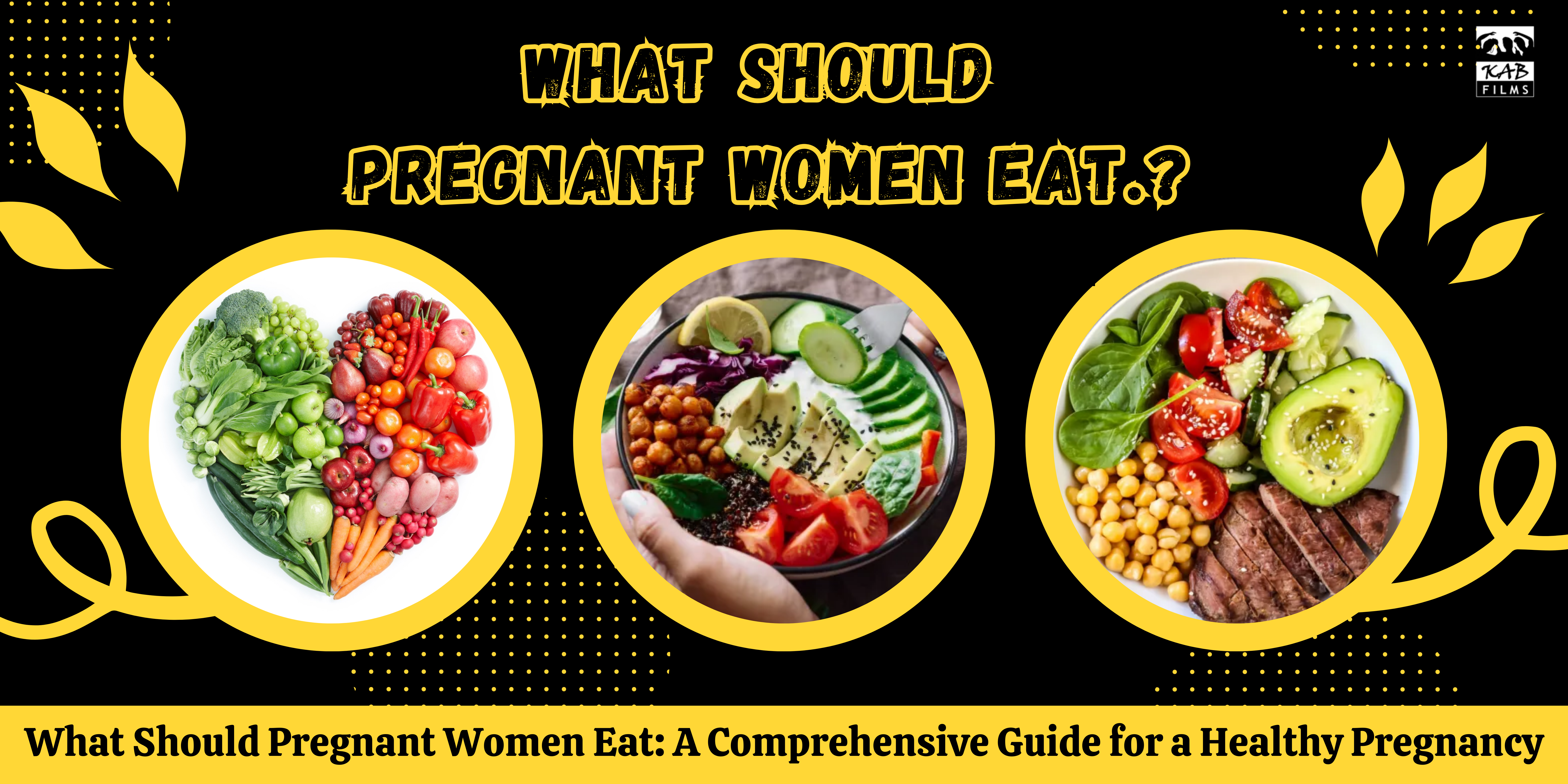
Pregnancy is one of the most exciting and important stages of a woman’s life. It’s a time full of joy, expectation, and many questions, especially when it comes to nutrition. What a pregnant woman eats has a direct impact on her and her baby’s health. Proper nutrition during pregnancy is essential for the baby’s development and the mother’s health. In this guide, learn what pregnant women should eat to support a healthy pregnancy.
1. Whole Grains
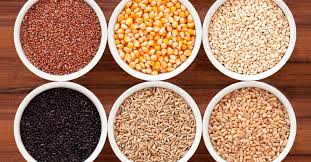
Whole grains such as oats, quinoa, brown rice and whole wheat bread are essential for pregnant women. They are rich in dietary fibre and help prevent constipation, which is common during pregnancy. Whole grains also provide important nutrients such as B vitamins, iron, magnesium and selenium, which are important for the baby’s development and the mother’s energy levels.
2. Fruits and Vegetables
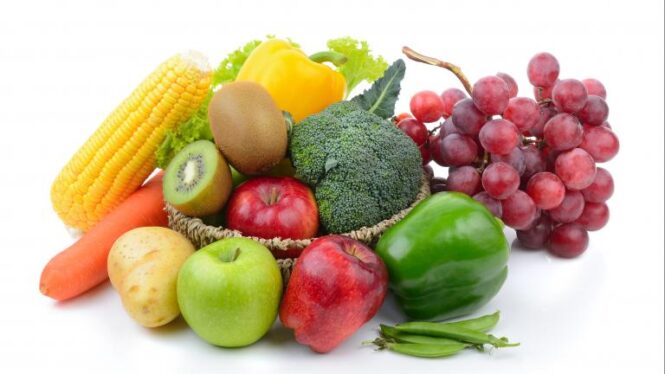
Fruits and vegetables are rich in vitamins, minerals and fiber. Eating a variety of colorful fruits and vegetables during pregnancy helps ensure you and your baby get a wide range of nutrients. For example:
Leafy greens (spinach, kale) provide folate, iron, and calcium, which are crucial for fetal development.
Oranges, berries, and kiwi are rich in vitamin C, aiding in the absorption of iron and supporting the immune system.
Carrots and sweet potatoes are loaded with beta-carotene, which the body converts into vitamin A, necessary for the development of the baby’s skin, eyes, and organs.
3. Lean Protein
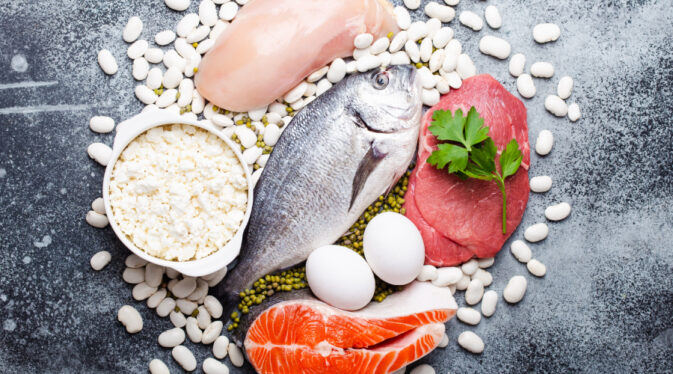
Protein is essential for building your baby’s tissues and organs. Pregnant women should make sure they consume plenty of lean protein sources, such as:
Chicken, turkey, and lean beef: These meats are rich in iron and protein, helping support increased blood volume during pregnancy and ensuring proper oxygen delivery to the baby.
Eggs: Rich in choline, eggs support brain development and prevent neural tube defects.
Fish (low in mercury): Salmon, sardines, and trout are high in omega-3 fatty acids, particularly DHA, which is important for the development of the baby’s brain and eyes.
4. Dairy Products
Dairy products are a good source of calcium, vitamin D and protein, all of which are essential for the development of your baby’s bones and teeth. Pregnant women should include the following in their diet:
Milk and yogurt: These are rich in calcium and probiotics, promoting healthy bones and digestion.
Cheese: An additional source of calcium, but be sure to avoid soft, unpasteurized varieties to prevent the risk of bacterial infections.
5. Healthy Fats
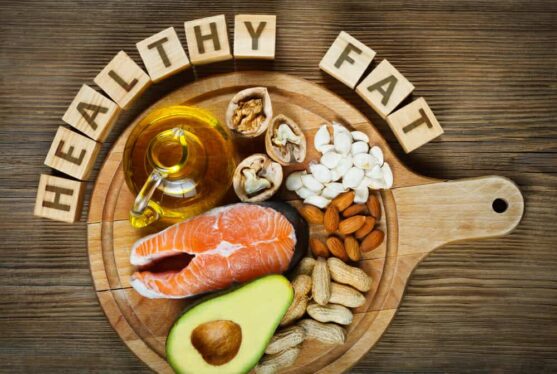
Healthy fats are essential for your baby’s brain development. The key is to focus on unsaturated fats, avoid trans fats and limit saturated fats. Sources of healthy fats include:
Avocados: Packed with folate, potassium, and monounsaturated fats.
Nuts and seeds: Almonds, chia seeds, and flaxseeds are rich in omega-3 fatty acids and protein.
Olive oil: A good source of heart-healthy monounsaturated fats that can be used in cooking.
6. Iron-Rich Foods
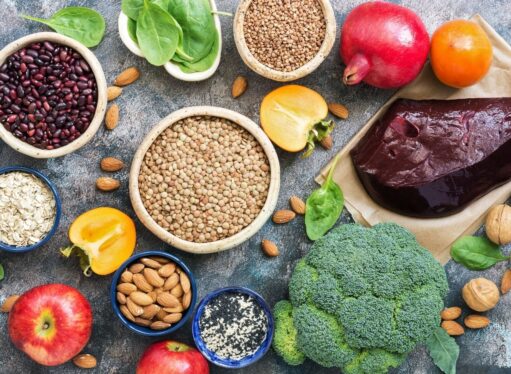
Iron is very important during pregnancy as it helps produce hemoglobin, the protein in red blood cells that carries oxygen. The increased blood volume during pregnancy requires more iron intake to support both mother and baby. Foods rich in iron include:
Red meat, poultry, and fish.
Legumes (beans, lentils).
Dark leafy greens. Pairing iron-rich foods with vitamin C-rich foods (like citrus fruits) can help improve iron absorption.
7. Hydration: Water, Water, and More Water
Drinking enough water is important during pregnancy. Proper hydration helps maintain amniotic fluid levels, supports increased blood volume, and aids digestion. Pregnant women should drink at least 8-10 glasses of water a day, more if they’re active or live in a hot climate.
8. Folate and Folic Acid
Folate, or its synthetic form, folic acid, is a B vitamin that is important in preventing neural tube defects in infants. Foods rich in folate include:
Fortified cereals.
Leafy greens.Beans and peas. It’s also recommended that pregnant women take a prenatal vitamin that includes folic acid, especially in the early stages of pregnancy.
9. Foods to Limit or Avoid
While there are many foods that are beneficial during pregnancy, there are also some foods that should be limited or avoided completely.
Raw or undercooked meat and eggs: These can carry harmful bacteria like salmonella and E. coli.
High-mercury fish: Avoid fish like swordfish, shark, and king mackerel due to their high mercury content, which can harm the baby’s nervous system.
Unpasteurized dairy products and soft cheeses: These can carry bacteria like listeria, which can cause severe infections.
Caffeine: Limit caffeine intake to about 200 mg per day (roughly one 12-ounce cup of coffee) to reduce the risk of miscarriage or low birth weight.
Alcohol: No amount of alcohol is considered safe during pregnancy, as it can lead to fetal alcohol syndrome.
Conclusion
A balanced, nutritious diet is key to a healthy pregnancy. Whole grains, fruits, vegetables, lean protein, healthy fats, and plenty of fluids should make up the majority of a pregnant woman’s diet. In addition, taking a prenatal vitamin and following your doctor’s advice can help ensure that both mother and baby are getting the nutrients they need for a healthy pregnancy. Focusing on nutrition can help pregnant women give their baby the best start in life while supporting their own health.
